TEACHING
This work reflects several years of experience teaching at the college level, with a focus on studio instruction, academic mentorship, and professional preparation. My approach to education focuses on guiding emerging designers, cultivating studio culture, and connecting academic exploration with real-world practice. The work shown here reflects a commitment to teaching as a collaborative process—one that values curiosity, dialogue, and growth while building strong foundations in design thinking and communication.
COURSES TAUGHT
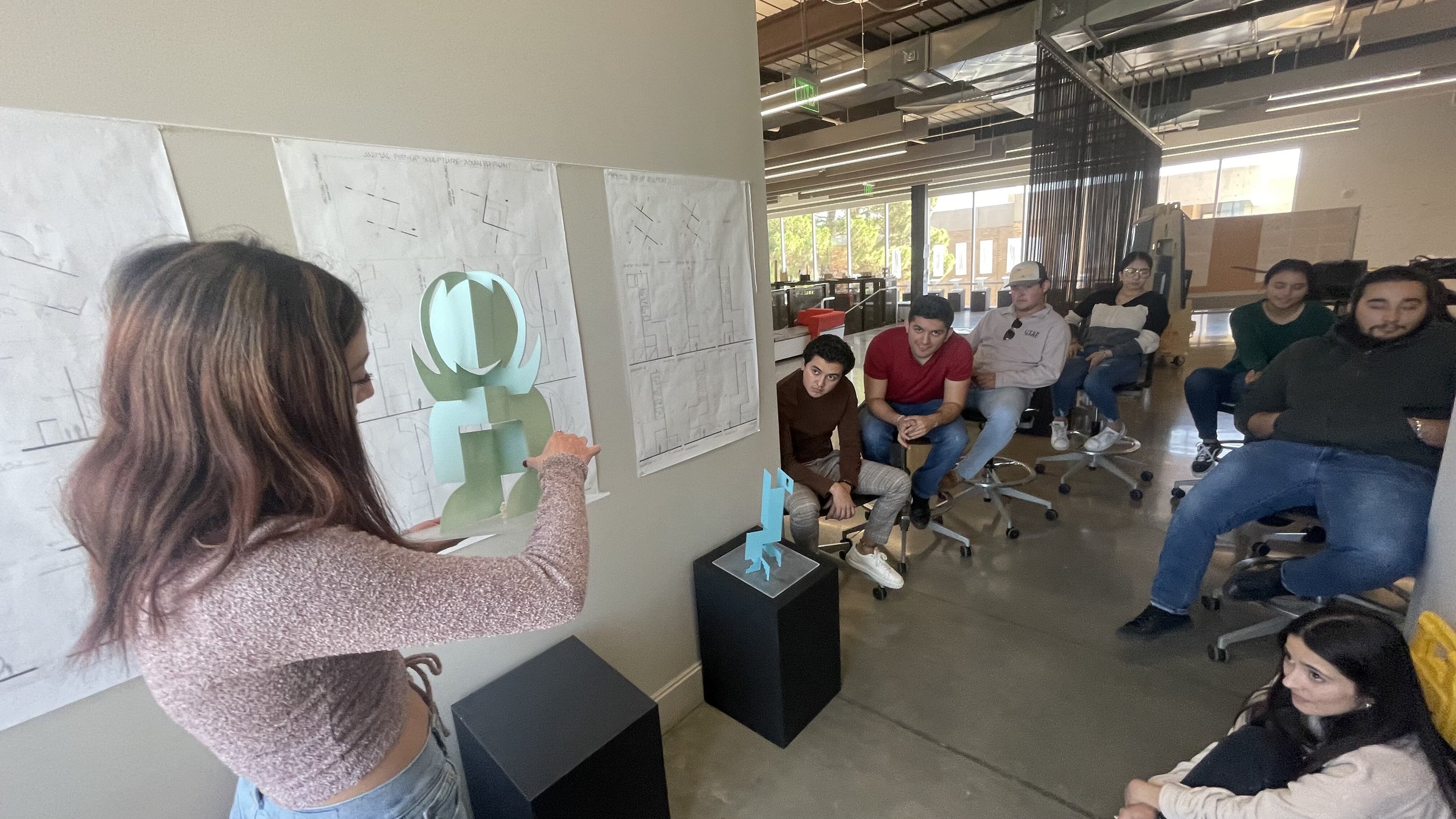
My coursework focuses on foundational and intermediate design skills that support architectural thinking and clear communication. Instruction emphasizes drawing, representation, spatial reasoning, and the use of both digital and analog tools commonly applied in professional practice. Courses are structured to build confidence, rigor, and visual clarity while encouraging iterative design development.
This work includes:
Architectural graphics and visual communication
Design fundamentals and spatial exploration
Introduction to digital tools and workflows
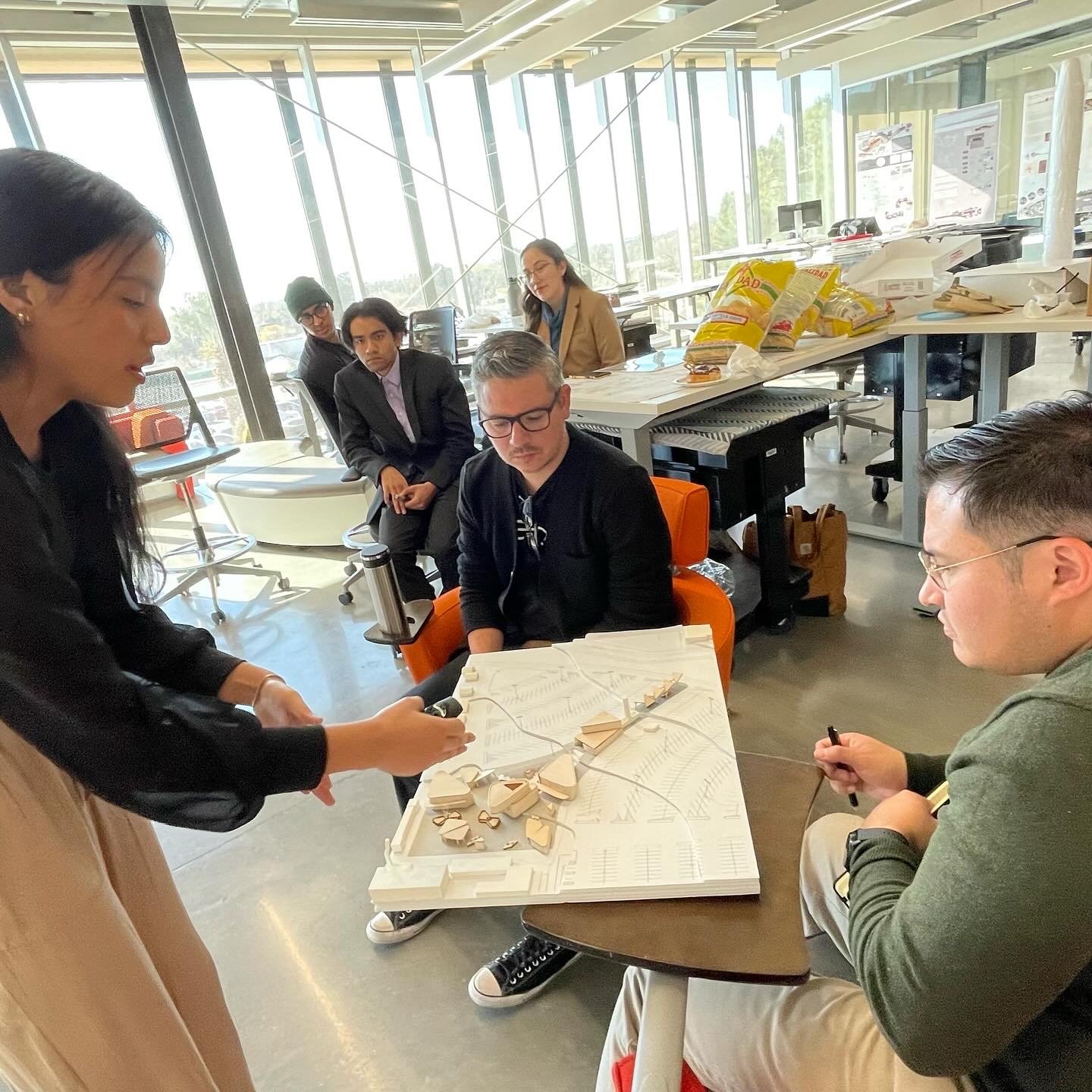
Studio-based learning and critique
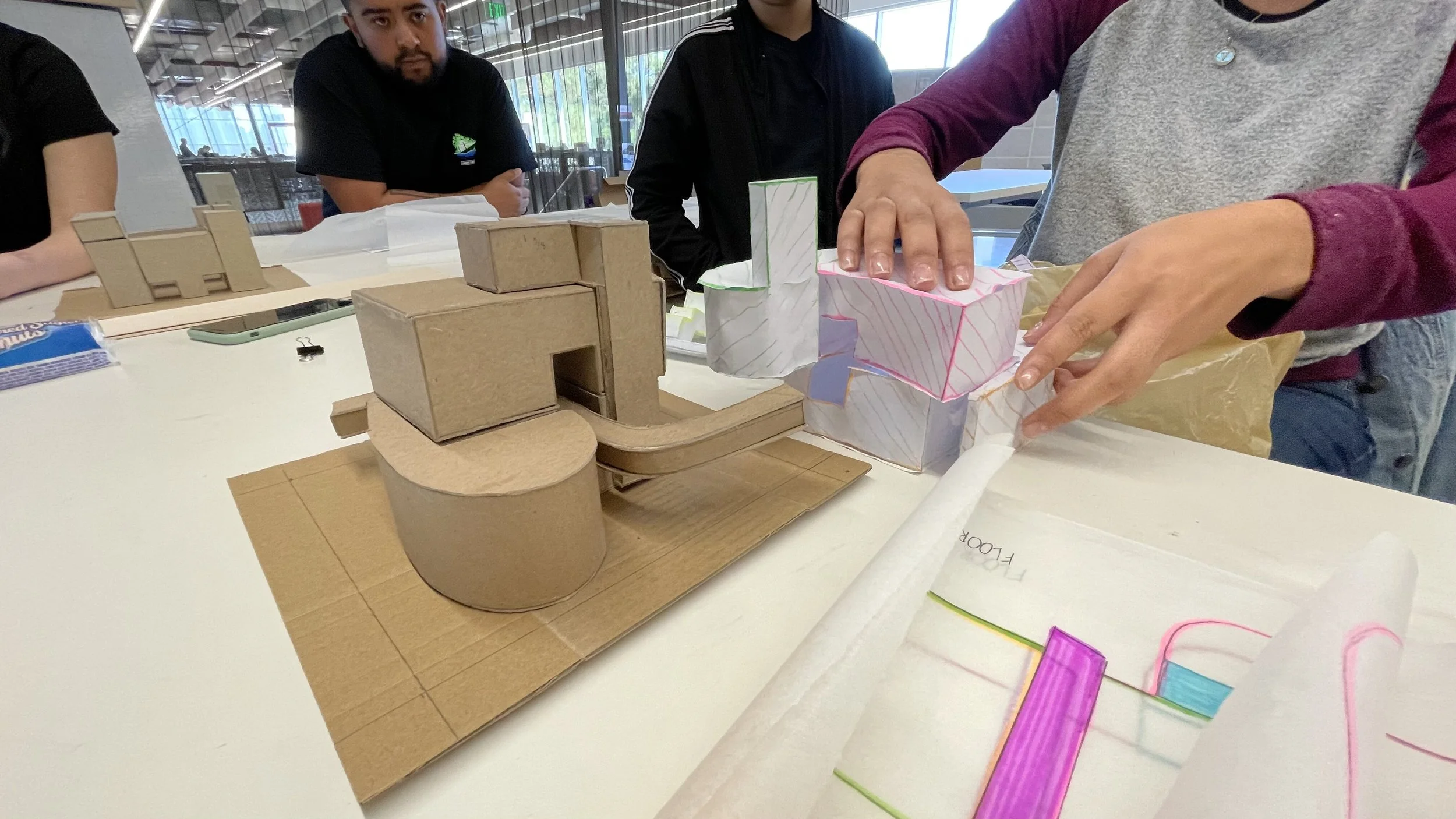
Introduction to building systems & construction methods
SELECTED COURSES
-
![]()
Architectural Design 1
-
![]()
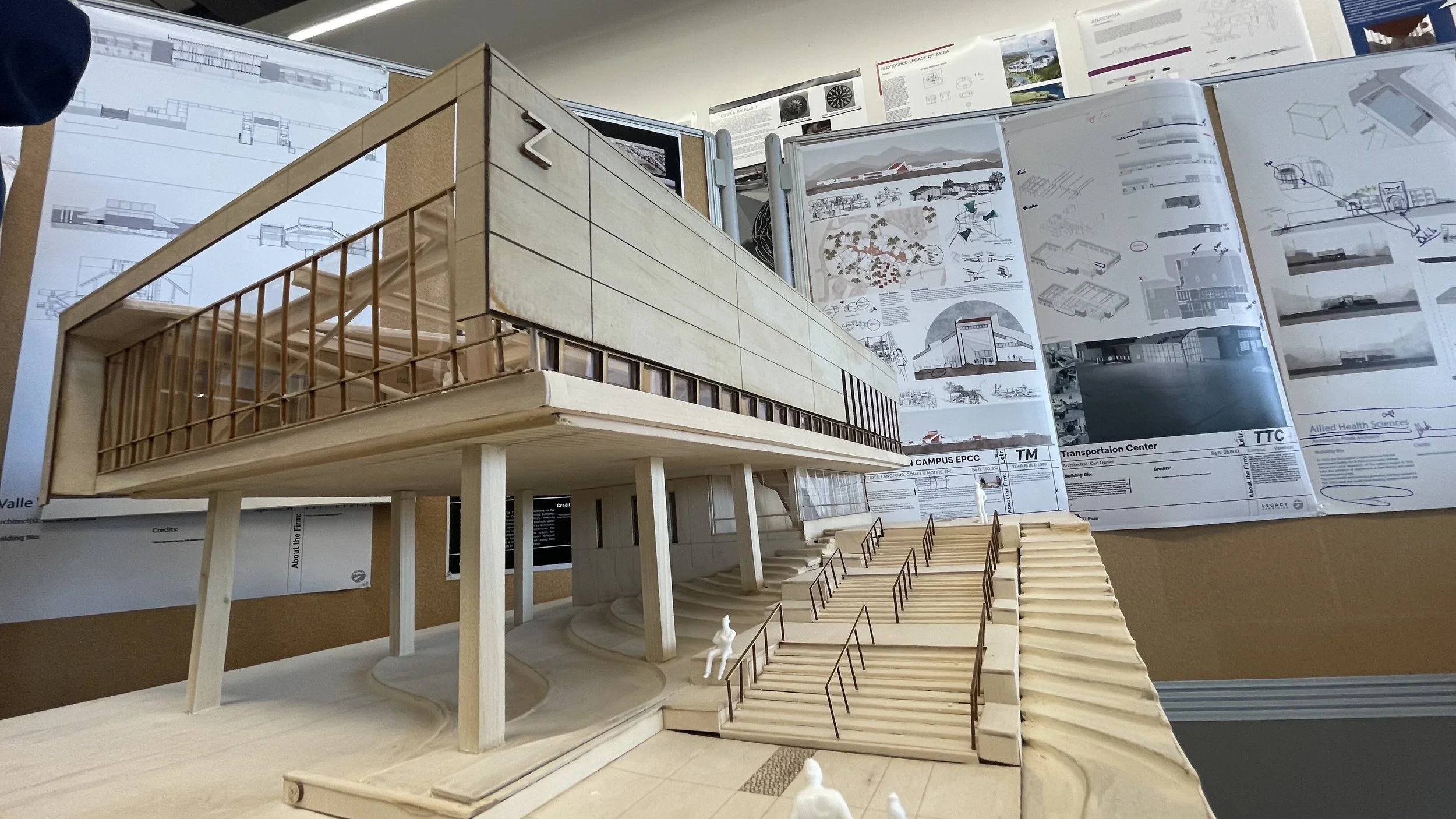
Architectural Design 3
-
![]()
Archtiectural Design 4
-
![]()
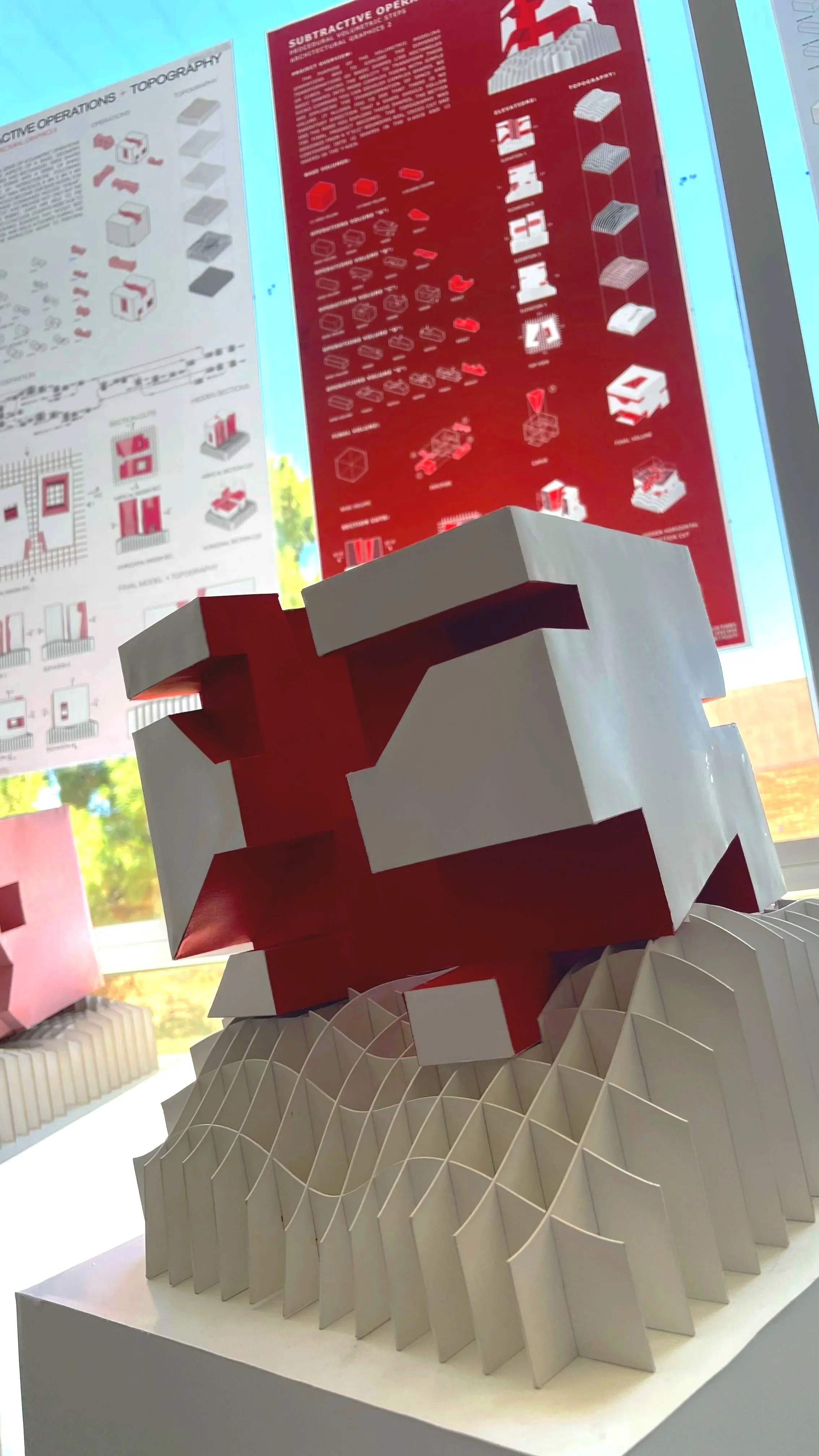
Architectural Graphics 2
-
![]()
Architectural Technology
TEACHING PHILOSOPHY
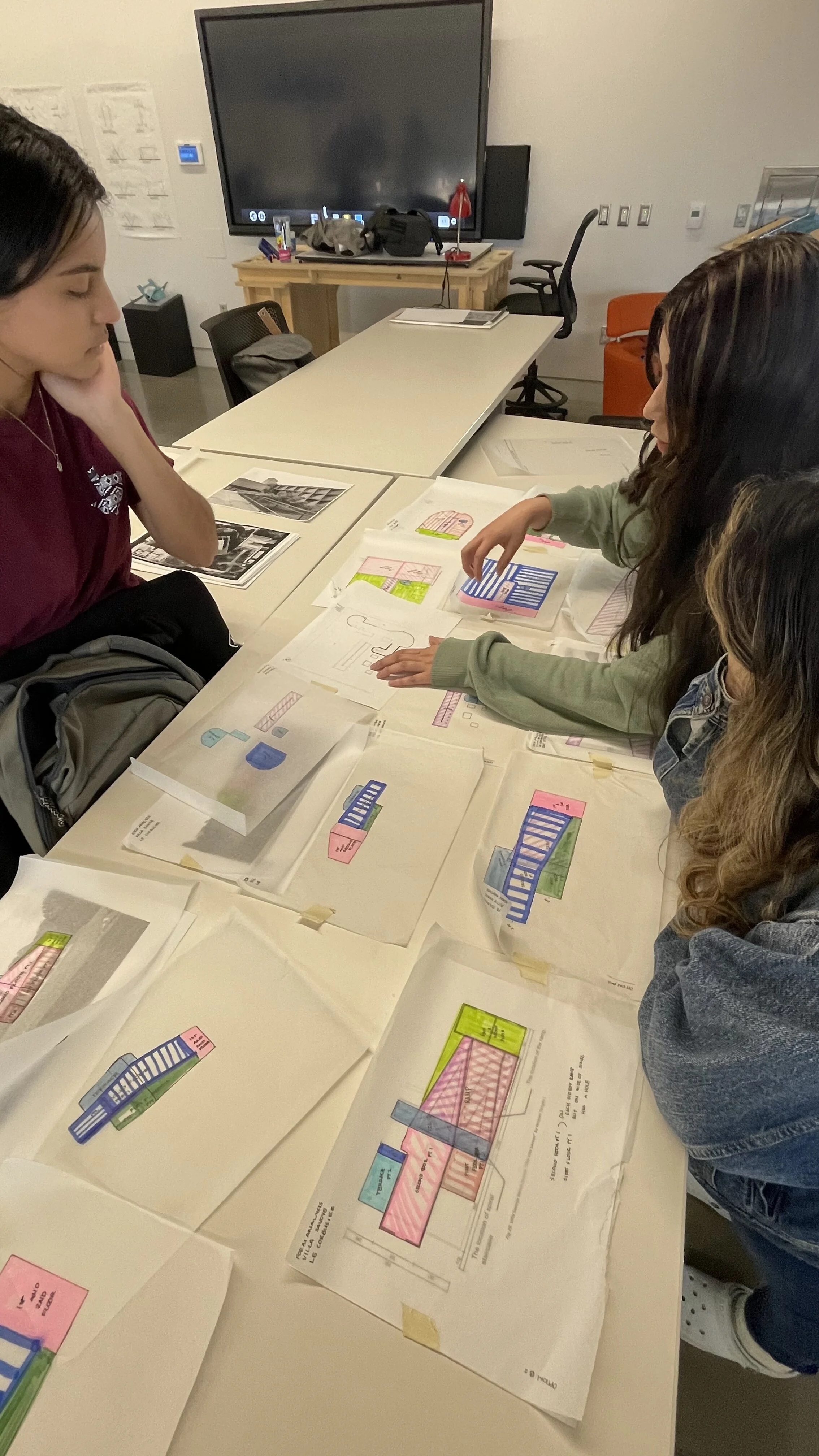
My teaching philosophy is grounded in the belief that design education thrives through a balance of exploration, application, and collaboration. I guide students in developing their own design voice, testing ideas through drawing and making, and engaging in constructive dialogue with peers and mentors. The studio environment is treated as a space for inquiry, discipline, and shared learning.
This approach emphasizes:
Individual exploration and creative confidence
Real-world application of design concepts
Collaborative learning and peer critique
Clear communication of ideas and intent
STUDENT WORK
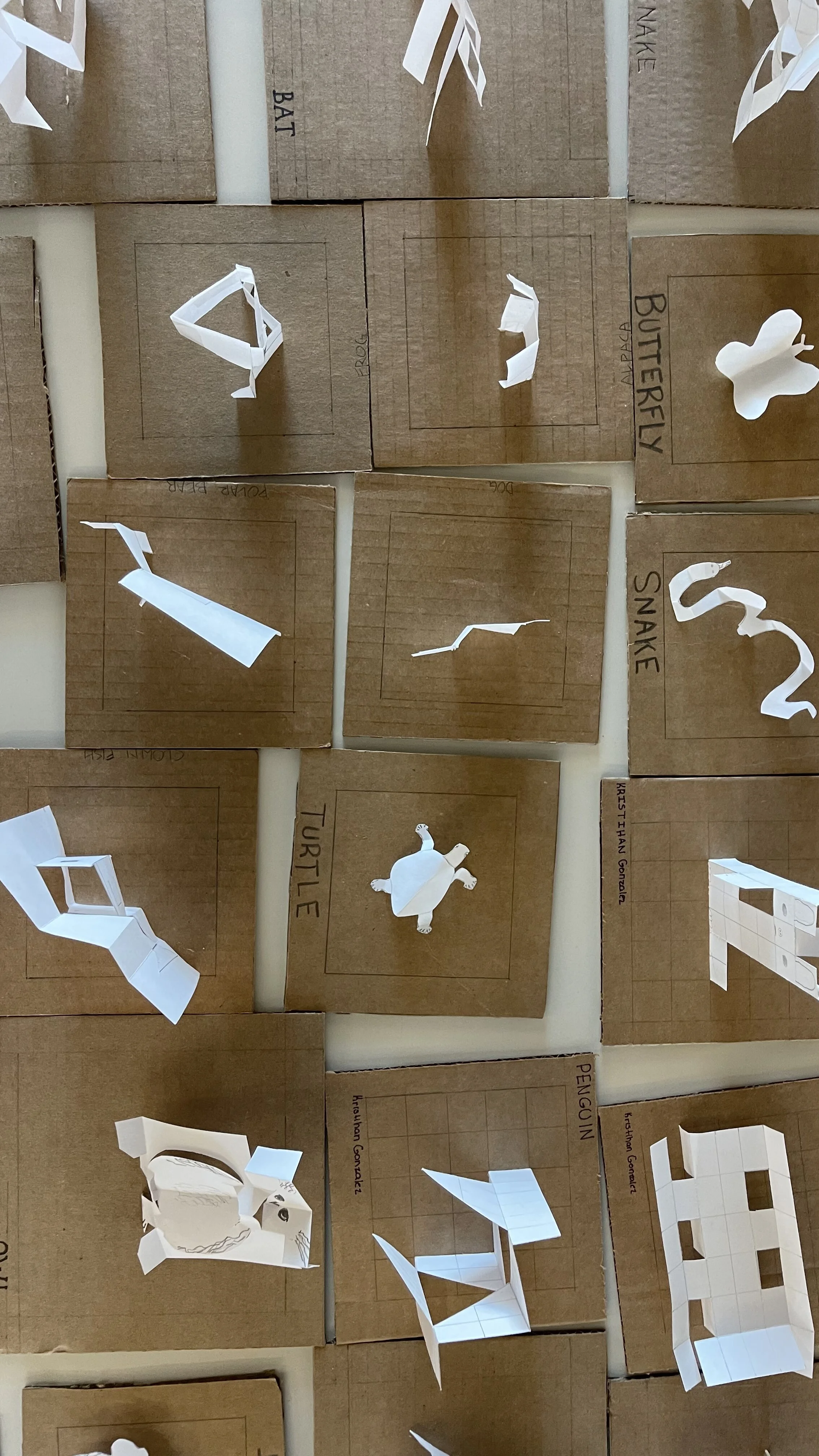
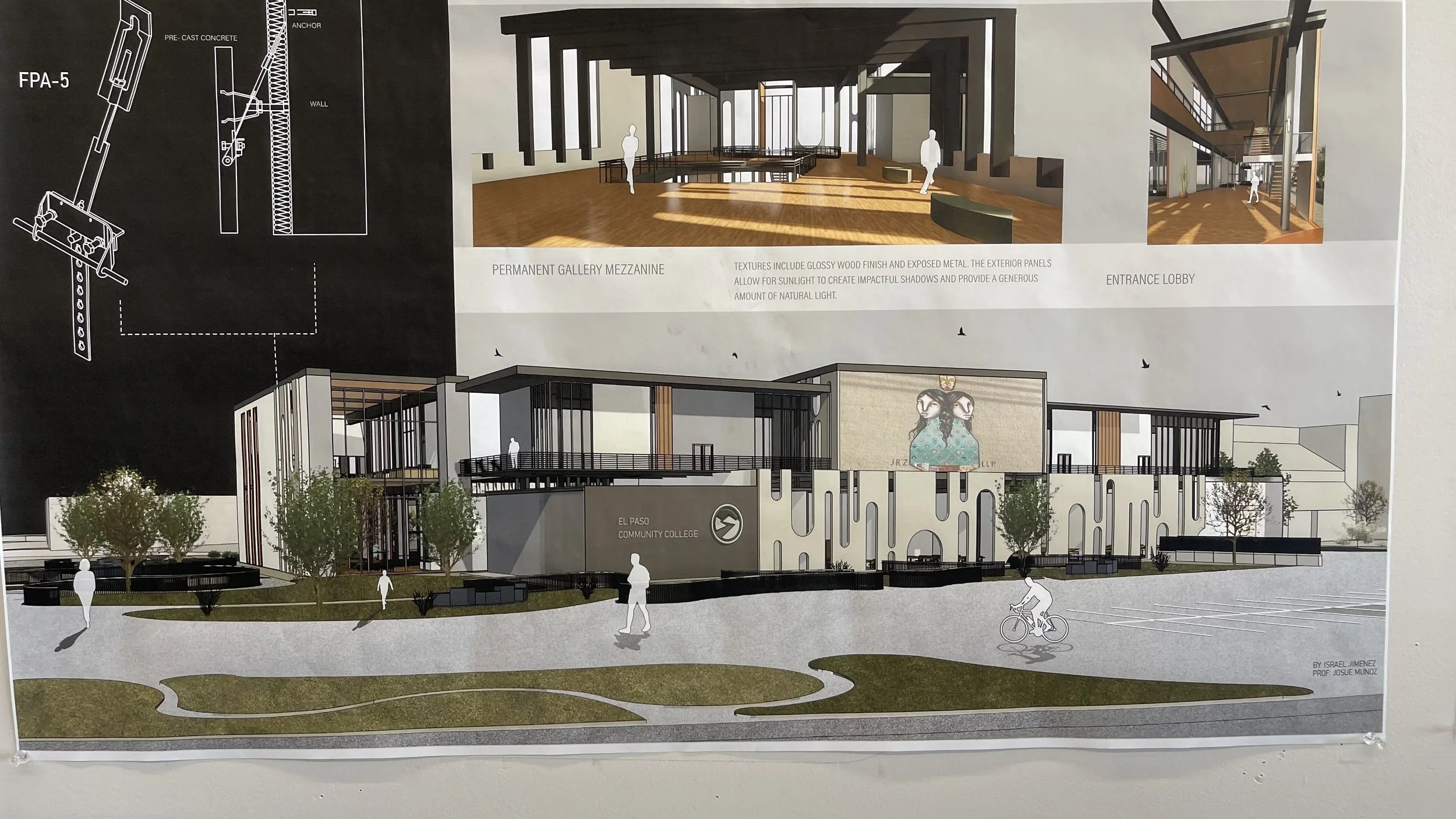
The student work shown here reflects a range of processes, scales, and outcomes, with an emphasis on growth over time rather than final products alone. Projects highlight experimentation, iteration, and the development of visual and spatial understanding, demonstrating how instruction, critique, and process support design thinking and communication.
Work presented includes:
Conceptual studies and process work
Final drawings and presentation boards
Physical and digital explorations
Collaborative and individual projects
BEYOND THE CLASSROOM
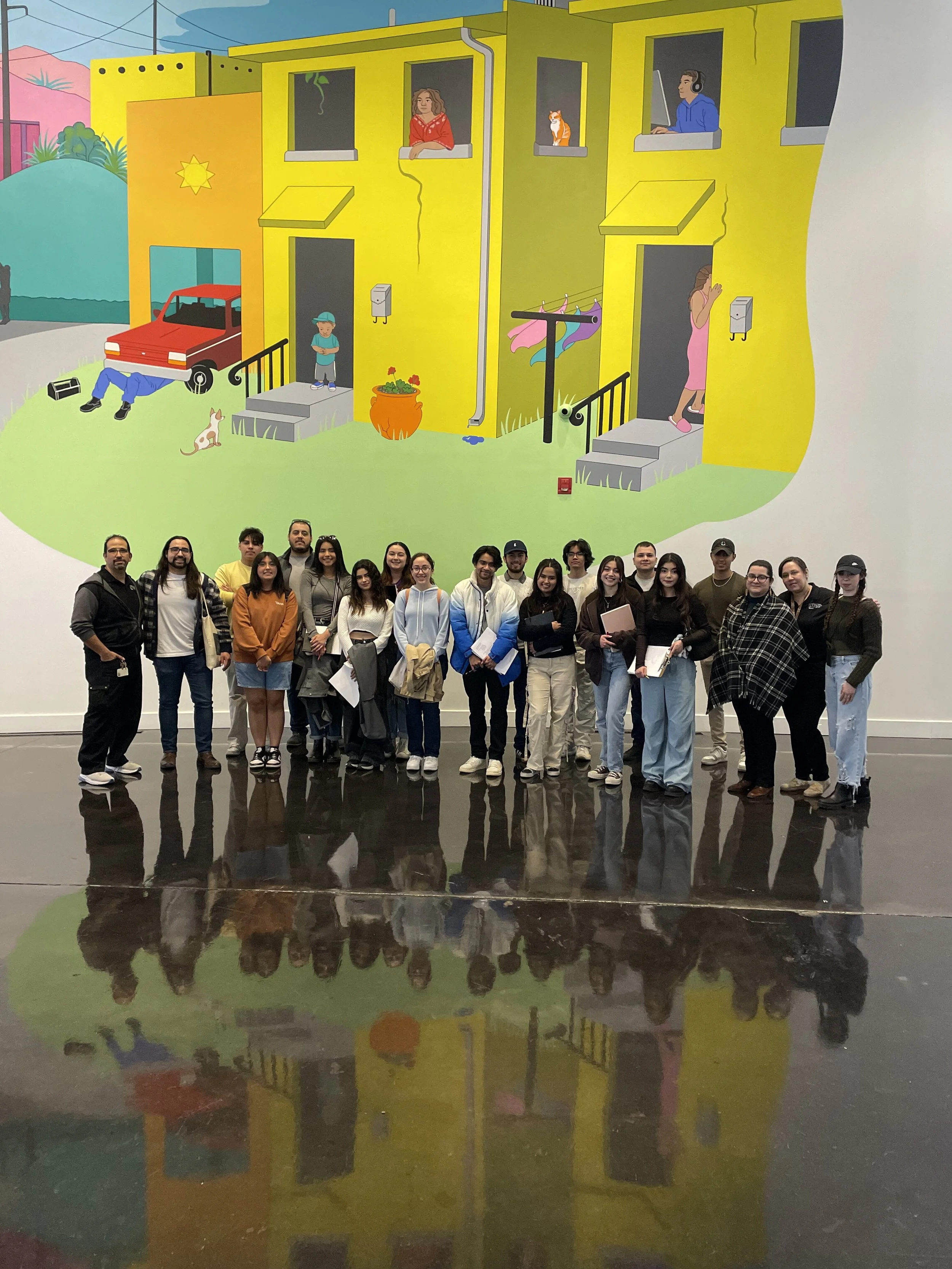
Learning in my teaching practice extends beyond the classroom into professional, cultural, and civic settings. This includes organizing visits to architecture firms, museums, construction sites, and design events, as well as facilitating opportunities for students to engage with professionals and the broader design community. These experiences help connect academic work to practice, expand awareness of career paths, and reinforce design as an engaged, real-world discipline.
This work includes:
Visits to museums, exhibitions, and cultural institutions
Tours of architecture firms and design studios
Construction site visits and field observation
Participation in lectures, symposiums, and professional events
Exposure to local and regional design organizations